
Three million working days lost – rethinking what “absence” really means
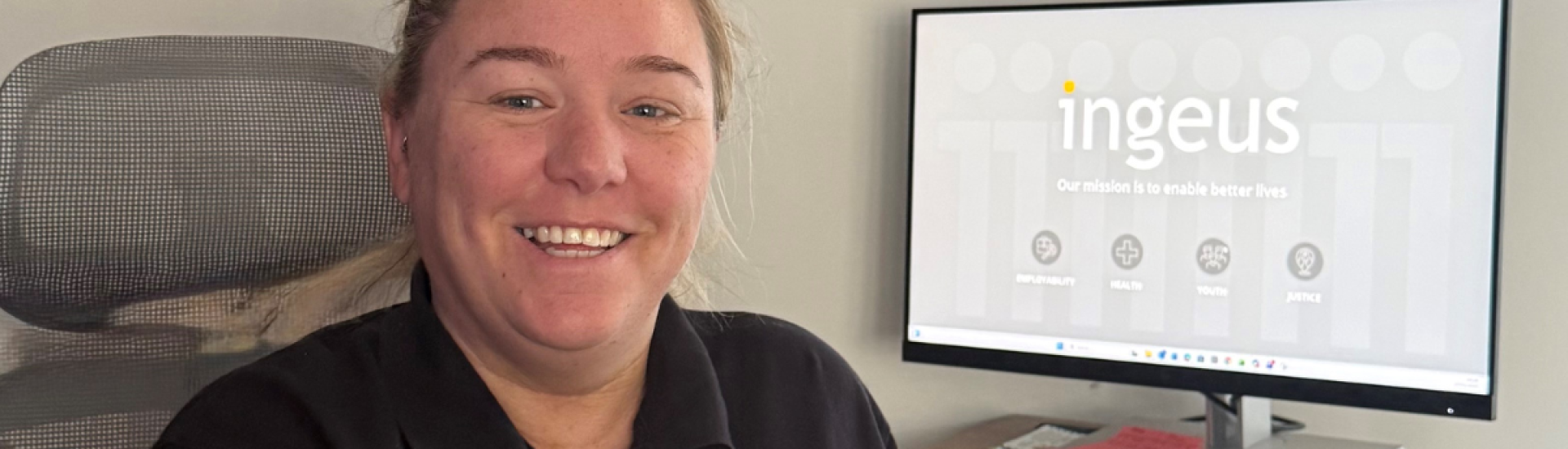
By Fiona Campbell, Integration Manager for Able Futures: Access to Work Mental Health Support Service.
Three million working days lost to mental ill health - and we are still only part way through 2026.
It’s the kind of headline that should give us pause. Not because it surprises us, but because it has become increasingly normal.
Mental health-related absence appears across almost every organisational dataset: HR dashboards, quarterly reports, yearly reviews. It is measured, tracked and compared — and yet, too often, it quietly becomes part of “business as usual.”
But those three million days are not just figures. They represent real people.
People unable to face the day.
People managing anxiety in silence.
People balancing work, home and financial pressures as their wellbeing declines.
For employers, this shows up in productivity, morale, continuity and recruitment challenges.
For individuals, it is far more personal — affecting confidence, stability and overall wellbeing.
Progress made – but more to do
Over the past decade, organisations have taken meaningful steps forward. Awareness campaigns, open conversations, training and “speak up” cultures have helped reduce stigma. More people now feel able to talk about their mental health, and that matters.
However, awareness alone does not reduce absence.
What makes a real difference is early, practical and structured support.
When people can access help for stress, anxiety, depression or low mood at the first signs of struggle, outcomes improve. Early support can prevent crisis, maintain engagement and help individuals stay connected to both their work and themselves.
Those three million lost days suggest many people are still accessing support later than they should.
The wider impact on everyday life
Mental ill health does not stay within the boundaries of the working day.
Employees are also parents, partners, carers, neighbours and friends.
When one person struggles, their household feels the impact.
When households feel it, communities do too.
This creates a cycle - challenges at home influence work, and workplace pressures carry back into personal life.
Workplaces are not the only cause of mental ill health, but they are one of the most consistent parts of adult life. That makes them uniquely placed to provide support early, confidently and without barriers.
Moving from reactive to preventative support
There is a clear distinction between managing absence and preventing it in the first place.
Reactive approaches include:
- Managing sickness absence processes
- Return-to-work discussions
- Adjustments introduced after crisis
Preventative approaches focus on:
- Early referral pathways
- Accessible, confidential support
- Removing financial barriers
- Encouraging engagement before absence occurs
When support is easy to access, fully funded and embedded into everyday working life, engagement increases. When it is treated as part of how an organisation operates - rather than a one-off initiative - the impact is far greater.
Organisations that build mental health support into their infrastructure, rather than treating it as an add-on, are already seeing positive outcomes.
The business case is clear. The human case is even stronger.
What three million days really tell us
Three million lost days reflect more than a productivity issue - they signal something deeper.
They point to:
- Ongoing high levels of stress
- Financial and economic pressures
- Continued uncertainty in working life
In this context, mental health support is no longer optional or a CSR activity. It is fundamental to workforce resilience. It is long-term thinking and effective risk management.
The Government’s Access to Work Mental Health Support Service, delivered by Able Futures, removes many of the common barriers to seeking help early - including cost, accessibility, waiting times and concerns around involving HR.
When support is confidential, fully funded and independent, people are far more likely to reach out before reaching crisis point.
And early intervention is where the greatest impact is achieved.
Looking ahead in 2026
If three million days have already been lost this year, the question is no longer whether mental health affects the workplace.
The real question is whether our response matches the scale of the challenge.
Are we measuring absence or preventing it?
Are we responding to crisis or building resilience?
Are we raising awareness or removing barriers?
Organisations that move beyond intent and embed structured, early support into their workforce strategy will see meaningful results: reduced absence, stronger retention, improved stability and deeper trust.
And perhaps, next year’s headline will tell a different story.
Fiona Campbell is the Integration Manager for Able Futures, working on the Access to Work Mental Health Support Service contract since 2018. Over the years, she has developed deep expertise in connecting services, stakeholders, and support pathways to ensure people can access the help they need to thrive at work. Fiona is deeply passionate about mental health, a commitment and understanding of the impact of mental health shaped not only by her professional experience but also by her own lived experiences.
Other stories that may interest you
Finding space to recharge this World Mental Health Day

International Happiness at Work Week: Why happiness matters more than you might think