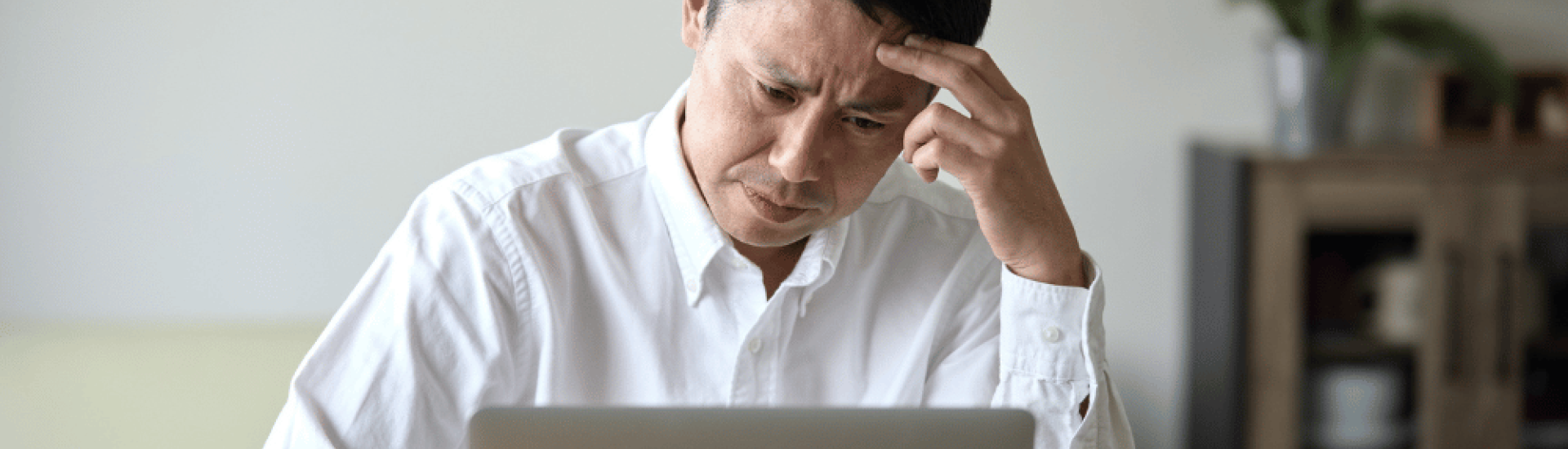
National Stress Awareness day by Angela Han
National Stress Awareness Day: Are we talking enough about stress before it becomes a crisis?
Angela works with employers through Able Futures to create healthier workplaces and make practical mental health support easier for employees to access.
On National Stress Awareness Day, I've been reflecting on a question we hear more and more often from employers, colleagues and friends:
"How do we help people cope with stress?"
It's an important question, but I’m not sure if it's the right one. Should we should be asking:
"What are we doing to stop people becoming overwhelmed in the first place?"
The reality is that workplace stress remains one of the biggest challenges facing UK employers and employees alike. According to the Health and Safety Executive (HSE), nearly one million workers experienced work-related stress, depression or anxiety in 2024/25, contributing to 22.1 million working days lost.
Behind those statistics is a person.
A colleague who is struggling to concentrate. A manager who feels constantly overwhelmed. A parent juggling caring responsibilities and work pressures. A person lying awake at night worrying about deadlines, finances or simply trying to hold everything together.
Spot the small signs
The truth is that stress rarely arrives all at once. It often starts with small signs:
- Feeling constantly tired, even after rest
- Becoming irritable or withdrawn
- Finding it difficult to focus or make decisions
- Feeling overwhelmed by tasks that once felt manageable
- Changes in sleep patterns
- Increased anxiety or worry
- Losing motivation or confidence
We all dismiss these signs as 'just being busy' or we tell ourselves we'll deal with it later. We know from our own experiences that stress and poor mental health can creep up gradually, until one day you realise you're no longer coping as well as you once were.
That's why early intervention matters.
While employers have a vital role to play in creating psychologically safe workplaces, individuals should never feel they have to wait until they reach crisis point before seeking support.
One of the most rewarding parts of my role with Able Futures is seeing people access support early and discover that they don't have to struggle alone.
Too often, people convince themselves that they are "not struggling enough" to ask for help. The reality is that you don't need a diagnosis. You don't need to be off work. And you certainly don't need to wait until you're at breaking point.
If you've noticed that stress is starting to affect your wellbeing, your confidence or your ability to enjoy work and life, that is reason enough to reach out. Seeking support is a sign of strength, not weakness.
For employers, National Stress Awareness Day should be a reminder that wellbeing isn't created through a single awareness campaign or a free fruit bowl in the office. It comes from realistic workloads, supportive leadership, open conversations and a culture where employees feel safe asking for help.
Stress is something all of us will experience at some point. We don't have to face it alone.
If any of the signs I’ve mentioned above resonate with you, I'd encourage you to explore the support available through Able Futures and consider making a self-referral. Taking that first step today could make a significant difference to how you feel tomorrow.
Let's make stress prevention, early intervention and open conversations part of everyday working life, not just something we talk about on National Stress Awareness Day.
Able Futures provides no cost confidential mental health support to eligible people in work through the DWP's Access to Work Mental Health Support Service. Whether you're experiencing stress, anxiety, low mood, a lack of confidence, difficulties managing change, or challenges balancing work and life, support is available before things become overwhelming.
Other stories that may interest you
Faithful or Traitor? What The Traitors can teach us about mental health
Finding space to recharge this World Mental Health Day