

Wellbeing at work in 2026: Beyond buzzwords - practical action for people and performance
We’re at a pivotal moment in how organisations think about employee health, wellbeing and productivity. The agenda at Health & Wellbeing at Work 2026 reflects this shift - from superficial “wellbeing initiatives” to evidence, strategy and culture that genuinely supports people in the workplace.
Across two days at The NEC in Birmingham, leaders from occupational health, HR, behavioural science, organisational psychology and people strategy will unpack the practical realities of workplace wellbeing. The programme includes conversations about:
- Taking a systems approach to wellbeing - not bolt on initiatives that sit separately from work design or workload pressures.
- Understanding the mental health and emotional wellbeing of people at work - including stress, risk assessment and organisational support.
- Exploring how culture, values and engagement interact with wellbeing - and the hidden emotional costs when these are misaligned.
- Navigating wellbeing in a multigenerational workforce and in the context of artificial intelligence, trust and inclusion.
This agenda signals a maturing conversation. Wellbeing is no longer about feel good perks or one-off activities. It’s about strategic integration - interventions that recognise the whole person, address complexity, and are rooted in real workplace conditions.
Wellbeing that meets people where they are
In practice, effective support acknowledges that employees don’t check their lives at the office door. They carry their pressures, family responsibilities, financial worries and mental load with them. And, just as importantly, employers increasingly understand that early, structured support for mental health isn’t a “nice to have” - it can make the difference between someone staying engaged, thriving and contributing or disengaging and withdrawing from work entirely.
This is where workplace wellbeing strategy intersects with broader workforce sustainability - a theme woven through the Health & Wellbeing at Work sessions. It’s about the conditions people work in, the support available before crisis, and the cultural cues that make it safe to speak up long before absence occurs.
Why presence, not just participation, matters
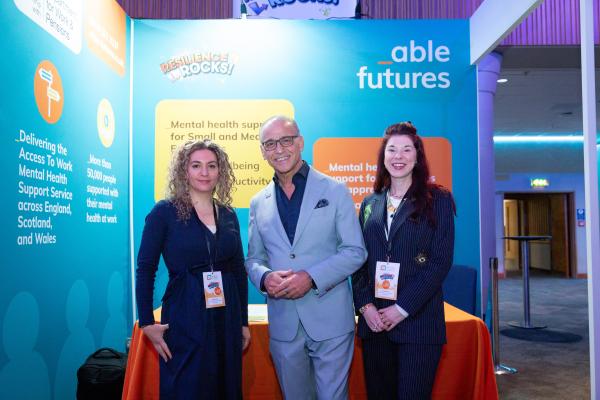
Able Futures will be at the Health & Wellbeing at Work 2026 event on 10th and 11th of March - not just as exhibitors, but as participants in this evolving dialogue. We believe the best wellbeing strategy is one that:
- Recognises that early support can prevent absence
- Is informed by evidence based practice, not trends
- Embeds mental health support in everyday organisational life
- Meets employees where they are - with confidentiality, accessibility and clarity
If you’re attending, come and say hello. It’s a great opportunity to talk about how structured support, offered at no cost to the employer or employee, can complement the broader wellbeing frameworks you’re building within your organisations.
There’s no single solution to wellbeing at work. But if this year’s conference programme is any indication, the shift is unmistakable: we’re moving from activity to impact - from wellbeing as buzzword to wellbeing as strategy.
Other stories that may interest you
Able Futures highlights importance of workplace wellbeing at 2026 Small Business Sunday event

You don’t need to have all the answers: Why being there is enough